
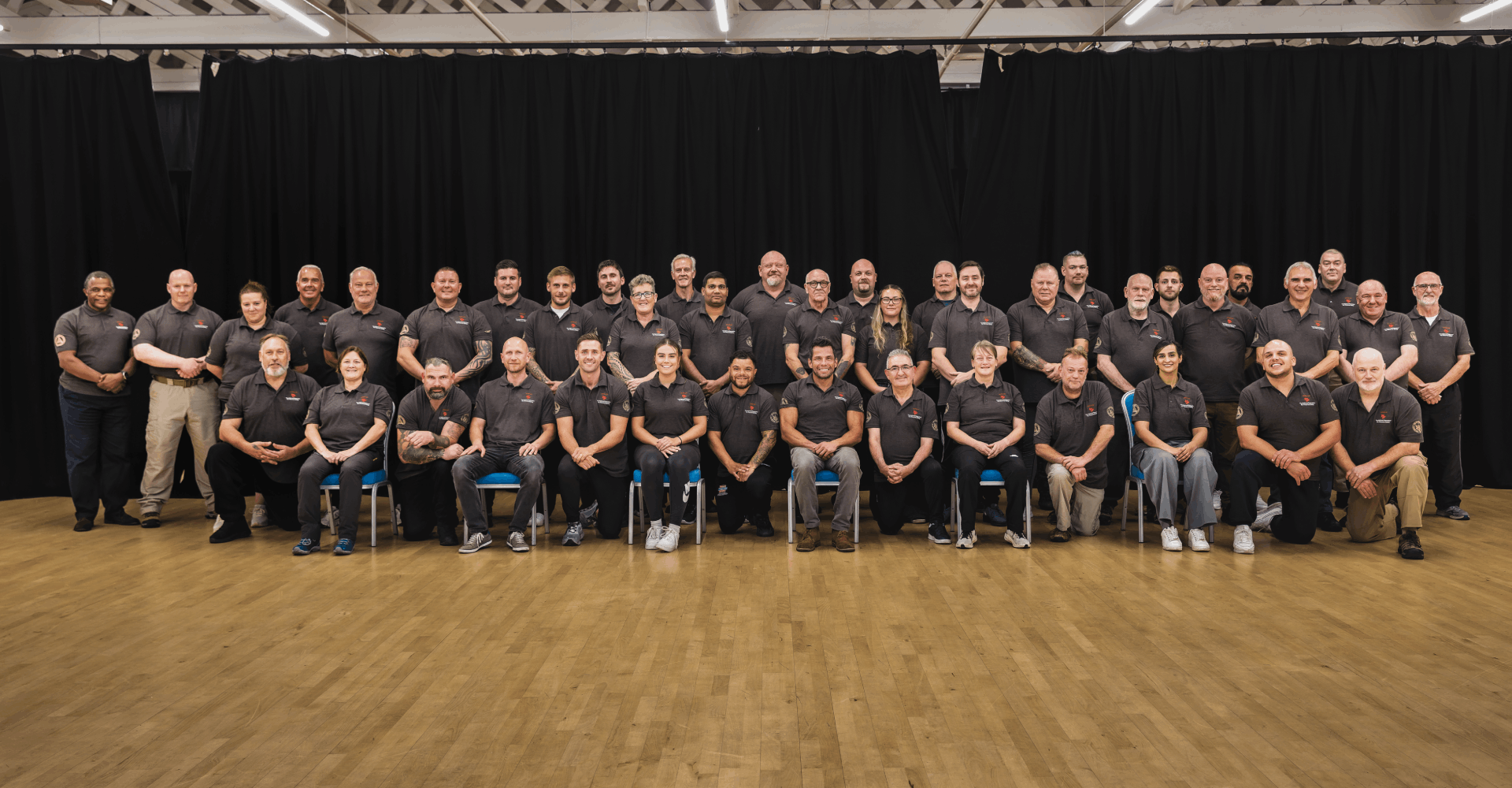
Become a Legally Defensible Trainer with NFPS
Physical intervention, restraint, handcuffing, self-defence and conflict management trainer training - backed by nearly 30 years of experience.
Nearly 30 years experience
BTEC Level 3 qualifications
Ongoing trainer support
100% money-back guarantee
Our Courses
Professional certifications for serious trainers.
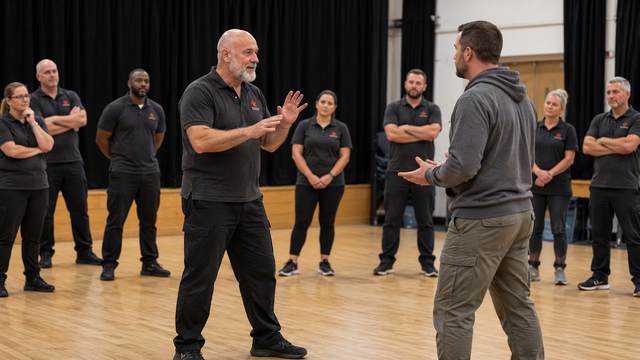
Conflict Management Trainer Award Course
Qualify to teach conflict management with a BTEC Level 3 Award in the Delivery of Conflict Management Training, and give your learners practical, legally sound skills to de-escalate.
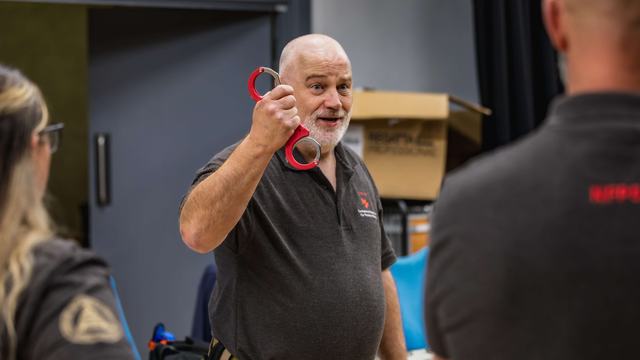
Handcuff Trainer Course
A one-day course for restraint trainers. Leave with NFPS Level 3 and BTEC Level 3 certification, qualified to teach handcuffing and to deliver BTEC Level 2 awards to your own clients.
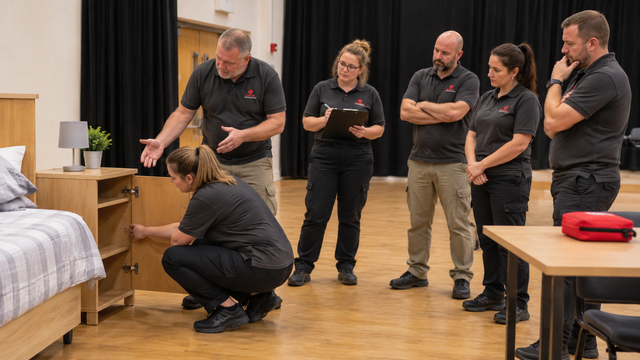
Ligature Management & Room Search Trainer Course
Train staff in health and care settings to identify and remove ligature risks and carry out safe room searches. A one-day course leading to an NFPS Level 3 trainer certificate.
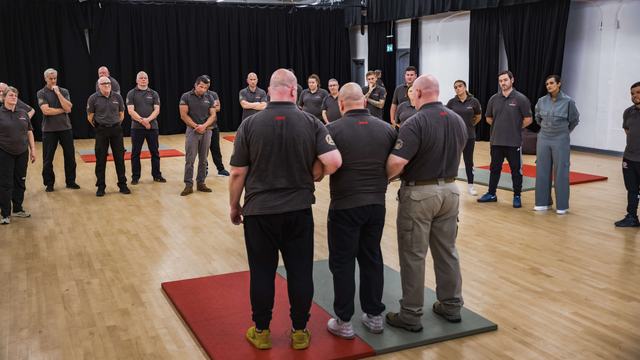
Physical Intervention Trainer Course
Become a BTEC Level 3 physical intervention (restraint) trainer. Teach techniques that are legally defensible, medically reviewed and straightforward for your learners to apply.
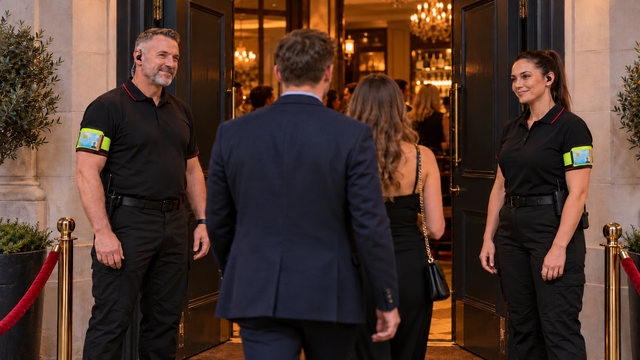
SIA Physical Intervention Trainer
For trainers who deliver physical intervention to door supervisors. Gain the BTEC Level 3 qualification to teach the SIA physical intervention unit with confidence and legal defensibility.
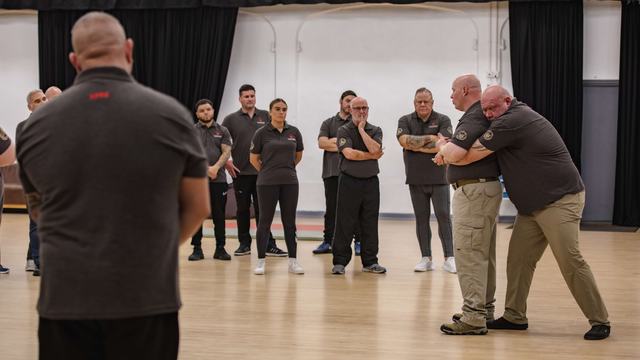
Self-Defence Trainer Course
A two-day BTEC Level 3 course that qualifies you to teach practical self-defence, with techniques built on legal defensibility and real-world experience.
Course schedule
Limited availability for our upcoming flagship sessions.
Refresher courses
Built on experience.
Three decades at the forefront of the industry, shaping the standards others follow.
Designed for legal defensibility.
Our systems are built to withstand the scrutiny of the highest courts in the land.
Supported long after the course ends.
Access to our experts, documentation, and community for the life of your career.
Trusted by the best in the world.
“Hi Mark, I'll jump straight in on this. The Dawes effect matches the 5 pillars of resilience and personal growth. 1- active optimism- pursuing positive goals, being aware of past failures but not letting them tarnish drive towards achieving the goal. This coupled with self deprecating humour where we can laugh at past errors. 2- Relentless tenacity and self discipline - goals must be gone after. 3- moral compass - better than stated BUT demonstrated code of morals that sets a standard for ourselves and others we lead. 4- interpersonal support - providing support at the personal specific level boosts confidence in all. 5- follow up and progression- active reflection as an individual and part of a group to solve problems and develop more efficient methods and practises.”
“From the moment I joined the nfps family, the whole team make you feel just that, part of the family always there for support, guidance and advice, you are my oracle x love you all x”
“From my experience, you inspire people with belief. Belief in themselves, that they can succeed. This is the underpinning quality that transcends all others. As in Loftys vital pyramid, it's one's WILL, mindset and attitude that is the foundation of their behaviour. You promote and develop people's belief in themselves, which breeds confidence. To me, this is the Mark Dawes effect. It's an effect I've benefited greatly from, continue to benefit from and, more importantly, try to manifest myself so that I might inspire, help and encourage other people.”
Latest Insights
Guidance, case law and practice from the NFPS team.

Outsourcing May Not Remove Your Duty of Care
There is a misunderstanding in many organisations that if a service is outsourced to a suitably qualified contractor, responsibility for what happens has been outsourced with it. This is not necessarily the case. A contract can allocate work, set standards, require insurance and provide rights of indemnity. What it cannot necessarily do is extinguish a duty that the law regards … Read more
31 Aug 2026 · 9 min read
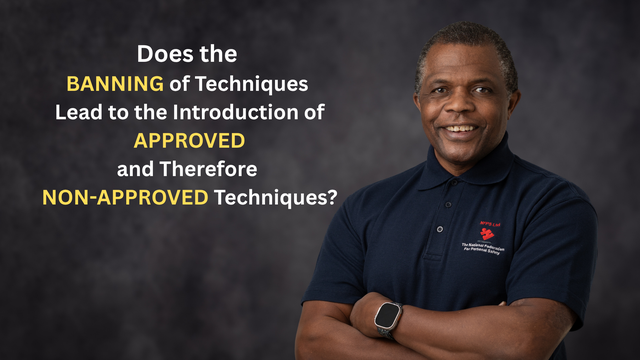
Does The Banning of Techniques Lead Towards the Introduction of Approved and Therefore Non-Approved Techniques?
Should any physical restraint technique ever be absolutely banned, regardless of the circumstances? A recent case in New York, where an NYPD officer became the first officer convicted under New York City’s law prohibiting certain chokeholds and restraint methods, raises a much wider and potentially uncomfortable question about how we regulate the use of force. Let me be clear from … Read more
23 Aug 2026 · 7 min read
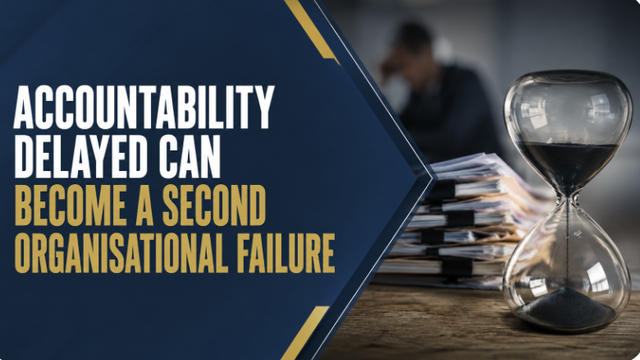
What the Home Office Review Should Teach Every Organisation About Incident Reviews
When a serious workplace incident occurs, organisations rightly begin an investigation. Evidence is gathered, statements are taken and the review begins. However, one of the greatest risks is not always the incident itself, it is what happens afterwards. The Home Office has launched an end-to-end review of the police accountability system to examine how misconduct cases can become faster, fairer … Read more
4 Aug 2026 · 3 min read
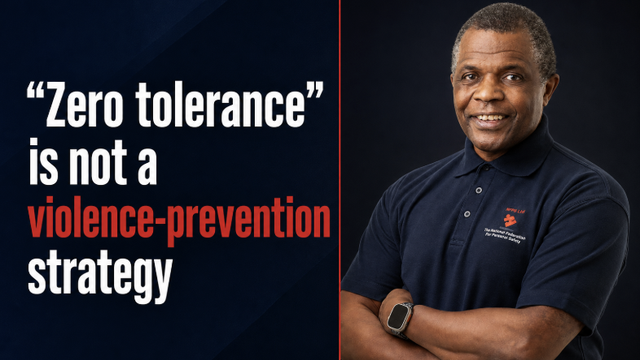
“Zero Tolerance” Is Not a Violence Prevention Strategy
For years, organisations have declared that they will not tolerate violence or abuse towards staff. The message itself is familiar. It appears on posters, in policies and throughout public-facing workplaces. However, a statement of intent is not the same as an effective workplace violence prevention strategy. A zero-tolerance policy may communicate an organisation’s position, but it does not, by itself, … Read more
27 Jul 2026 · 5 min read
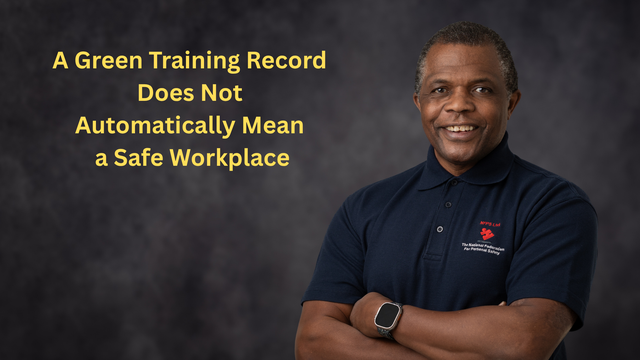
NHS Violence Prevention Standard 2026: Why Training Alone Is Not Enough
The publication of the NHS Violence Prevention and Reduction Standard represents one of the most significant developments in healthcare violence prevention in recent years. Violence against healthcare staff has never been an inevitable part of providing care. What Is the NHS Violence Prevention and Reduction Standard? The NHS Violence Prevention and Reduction Standard is a national framework published by NHS … Read more
15 Jul 2026 · 9 min read

Single-Person Restraint: An Accident Waiting to Happen?
When incidents escalate, staff often act instinctively. A teacher intervenes to stop a fight. A support worker attempts to prevent self-injury. A healthcare professional tries to stop a patient from absconding. The temptation is understandable: “I’ll deal with this myself.” Unfortunately, good intentions do not always produce good outcomes. The Problem Physical restraint carries risks. These include: Musculoskeletal injuries to … Read more
13 Jun 2026 · 4 min read
Ready to become the trainer others trust?
Secure your place on the next course and gain the legal defensibility your career deserves.