Why Professional Instructors Choose NFPS Ltd

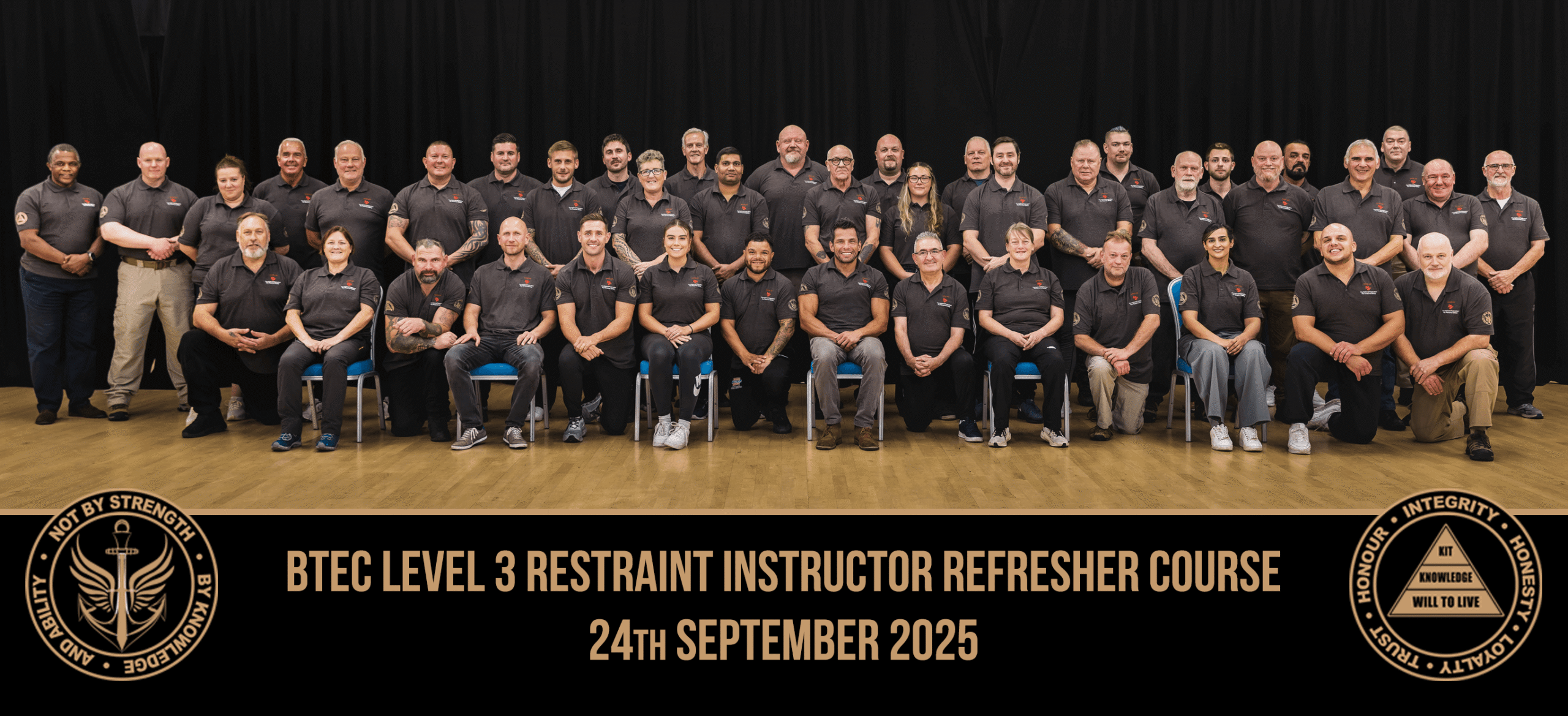
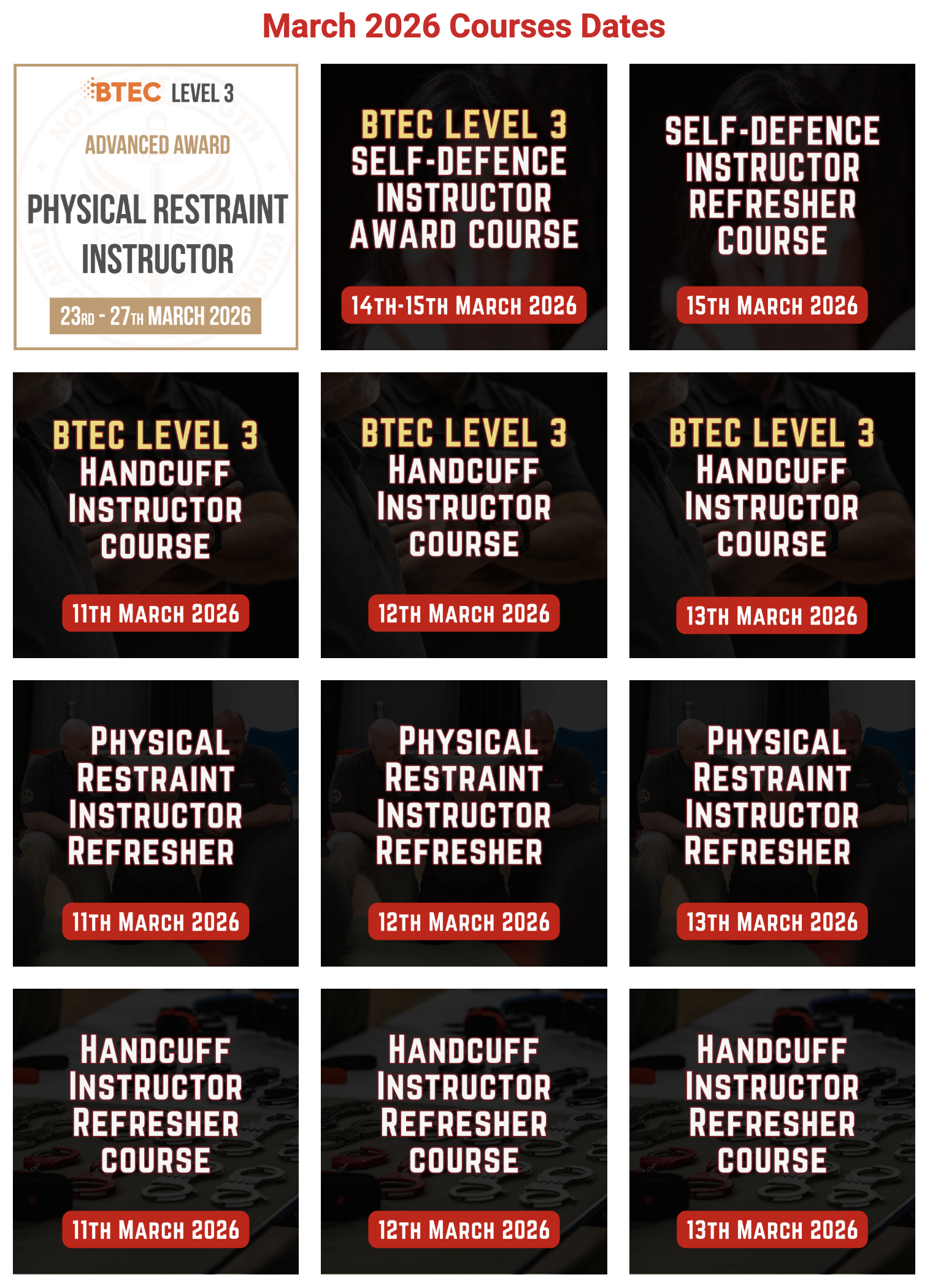
Because we understand what is at stake. NFPS programmes enable you to: Gain recognised BTEC vocational qualifications Deliver legally defensible training Access complete professional training resources Join a respected national instructor network Maintain competence and professional credibility Next month, March, NFPS Ltd is delivering its full instructor qualification programme at the prestigious Lilleshall National Sports & Conference Centre. These programmes … Read more

BTEC Train the Trainer Course UK: Become a Qualified Trainer with NFPS Ltd

If you are looking for a BTEC Train the Trainer course in the UK, choosing the right provider is one of the most important professional decisions you will make. A recognised BTEC trainer qualification does far more than issue a certificate. It establishes your competence, credibility, and ability to deliver training safely, professionally and in line with recognised vocational standards. … Read more

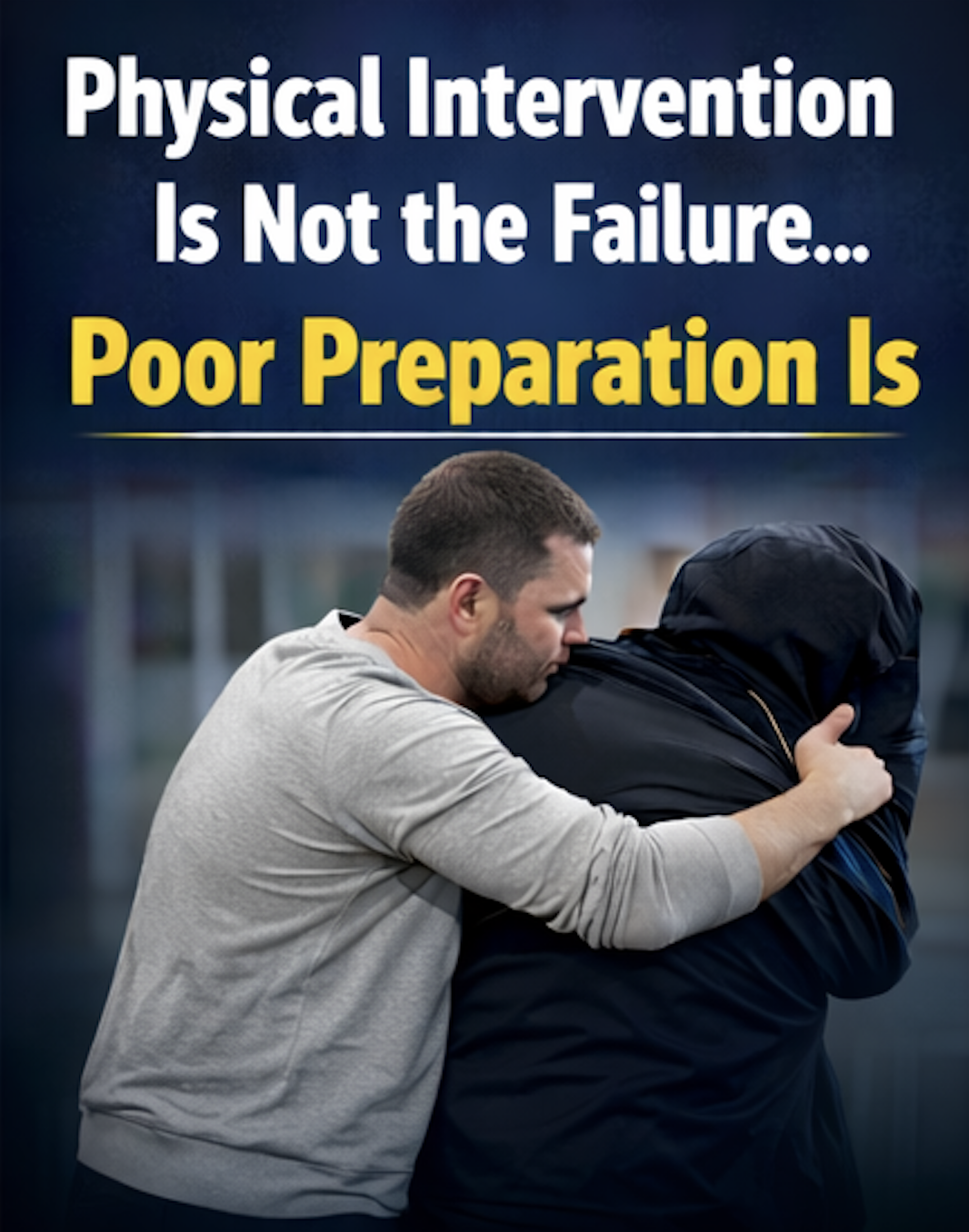
Physical Intervention Is Not the Failure — Poor Preparation Is

The problem is not physical intervention. The problem is what organisations fail to put in place before intervention becomes necessary. When an incident escalates to restraint, too many settings treat the intervention itself as the “failure point.” The reality is that failure often occurs much earlier, at the level of leadership responsibility, operational planning, training standards, behavioural risk management, and … Read more

30 Years at the Forefront

Why NFPS Ltd Remains the Trusted Name in Training for Managing Challenging, Aggressive and Violent Behaviour For over three decades, NFPS Ltd has stood as a pillar of excellence in the field of workplace safety and conflict management. From our roots in the UK to our growing international presence, we’ve trained, supported, and empowered thousands of individuals and organisations to … Read more

Why ‘Zero Tolerance’ Isn’t the Same as ‘Zero Risk’

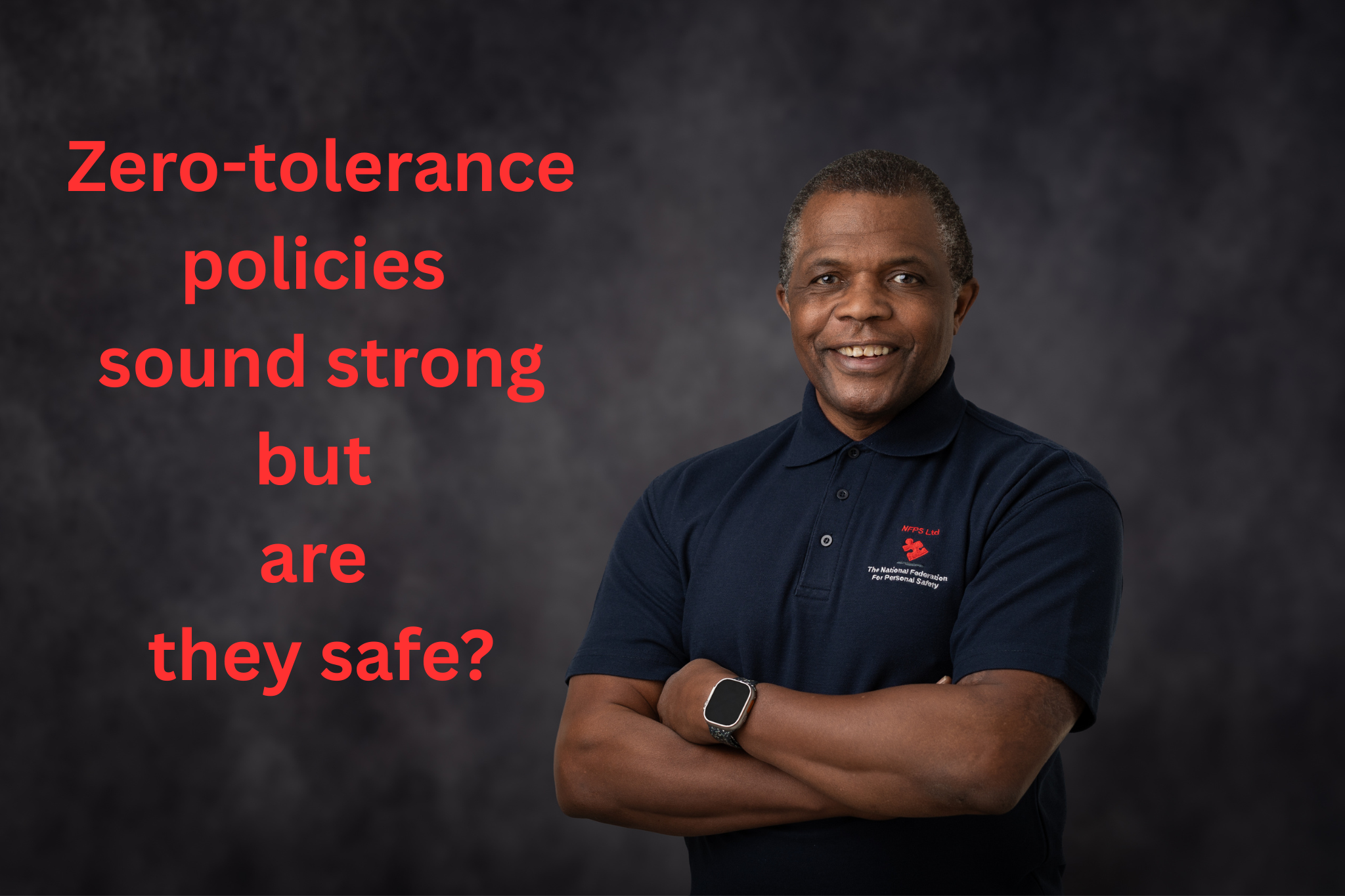
It’s still a common phrase across workplace policies. “We have a zero-tolerance approach to violence and aggression.” On paper, it looks good and sounds decisive. It’s meant to reassure staff, stakeholders and the public. It gives the impression of a very robust stance on unacceptable behaviour. But here’s the uncomfortable but realistic truth. Zero tolerance does not mean zero risk. … Read more

Leading with Confidence – Why Instructor Training is About More Than Compliance

Are you leading or just meeting the minimum?

At NFPS Ltd, our mission has never been to simply hand out certificates. We train leaders. Our BTEC Level 3 Physical Restraint Instructor Award Course isn’t just about meeting legal requirements, it’s about setting a standard in the field of safety, behaviour management and physical intervention. According to the Health and Safety Executive, tens of thousands of incidents involving violence … Read more

Conflict Resolution Training: A Week in the Life at NFPS Ltd

NFPS Ltd expert leading conflict resolution training session

Last week reminded me why we are so passionate about our work at NFPS Ltd. Every day, we strengthen standards in conflict resolution training and physical intervention, especially for professionals in schools, healthcare, and care settings. Preparing for Expert Witness Work I spent part of the week preparing for a court case where I will act as an Expert Witness … Read more

Is the PM Right – The Future of Workplace Safety

Since its inception, NHS England has improved healthcare standards, patient care and workplace safety. It has introduced important initiatives to protect staff from violence and aggression, ensuring that frontline workers have access to the training, policies and support needed to handle challenging situations. For example, we’ve seen: The NHS Violence Prevention and Reduction Standard, which set clear expectations on how healthcare providers should … Read more

It is wrong to assume that a singular, static document could ever adequately risk assess physical restraint techniques. Here is why…

Risk Assessing Physical Restraint Techniques cannot be suitably and sufficiently achieved by means of a static document. This image invites the viewer to read the associated article which provides evidence to the above proclamation.

We at NFPS have recently received requests for ‘risk assessments’ of our advanced restraint techniques. Interestingly, it is something we have rarely been asked for historically, and for good reasons, as shall be revealed within this article. The requests have originated from those delivering training within Health and Social Care and is being largely driven by the Client of the NFPS … Read more

Ensuring Safety and Accountability – A Time for Thoughtful Reflection

The safety and well-being of participants attending a physical training course is paramount and the responsibility for this lies with stakeholders, including the organisation hosting the course, the trainer delivering the course and the participants themselves.  This shared accountability ensures that risks and any issues raised are addressed appropriately. Who is Responsible for Safety and Well-Being? 1. The Organisation – … Read more