Single-Person Restraint: An Accident Waiting to Happen?

When incidents escalate, staff often act instinctively. A teacher intervenes to stop a fight. A support worker attempts to prevent self-injury. A healthcare professional tries to stop a patient from absconding. The temptation is understandable: “I’ll deal with this myself.” Unfortunately, good intentions do not always produce good outcomes. The Problem Physical restraint carries risks. These include: Musculoskeletal injuries to … Read more

Planes, Trains and Automobiles

Yesterday’s corporate manslaughter appeal decision involving Air France Flight AF447 raises questions far beyond aviation. Increasingly, investigations into deaths, serious violence and operational failures are focusing not only on individuals… …but on the organisations behind them. This article explores the growing shift towards organisational accountability, foreseeable risk and decision-making under pressure across aviation, prisons, policing and frontline services. Those of … Read more

Ligature management and room search do not sit in isolation from the wider realities of frontline practice. Can your organisation evidence that it is prepared?

This image relates to a blog discussing the significance of Ligature Management & Room Search training

There are moments in frontline practice where an organisation’s policies, training, equipment, leadership and legal understanding are tested in seconds. A person is in crisis. A ligature risk is present. Staff must act. Decisions must be made quickly, often under pressure, often in emotionally charged circumstances, and often before senior managers, clinicians, security leads or external responders are immediately available. … Read more

If An Incident Happens, It’s Already Too Late

Far too many organisations still cling to the belief that a policy sitting quietly in a folder, which is very often unread and rarely applied, is enough to keep staff safe. It isn’t. Policies do not protect people. Competence, clarity, and well-trained staff are what protect people in high-risk environments. When a workplace incident occurs, the investigation will quickly expose … Read more

Why ‘Zero Tolerance’ Isn’t the Same as ‘Zero Risk’

It’s still a common phrase across workplace policies. “We have a zero-tolerance approach to violence and aggression.” On paper, it looks good and sounds decisive. It’s meant to reassure staff, stakeholders and the public. It gives the impression of a very robust stance on unacceptable behaviour. But here’s the uncomfortable but realistic truth. Zero tolerance does not mean zero risk. … Read more

Conflict Resolution Training: A Week in the Life at NFPS Ltd

NFPS Ltd expert leading conflict resolution training session

Last week reminded me why we are so passionate about our work at NFPS Ltd. Every day, we strengthen standards in conflict resolution training and physical intervention, especially for professionals in schools, healthcare, and care settings. Preparing for Expert Witness Work I spent part of the week preparing for a court case where I will act as an Expert Witness … Read more

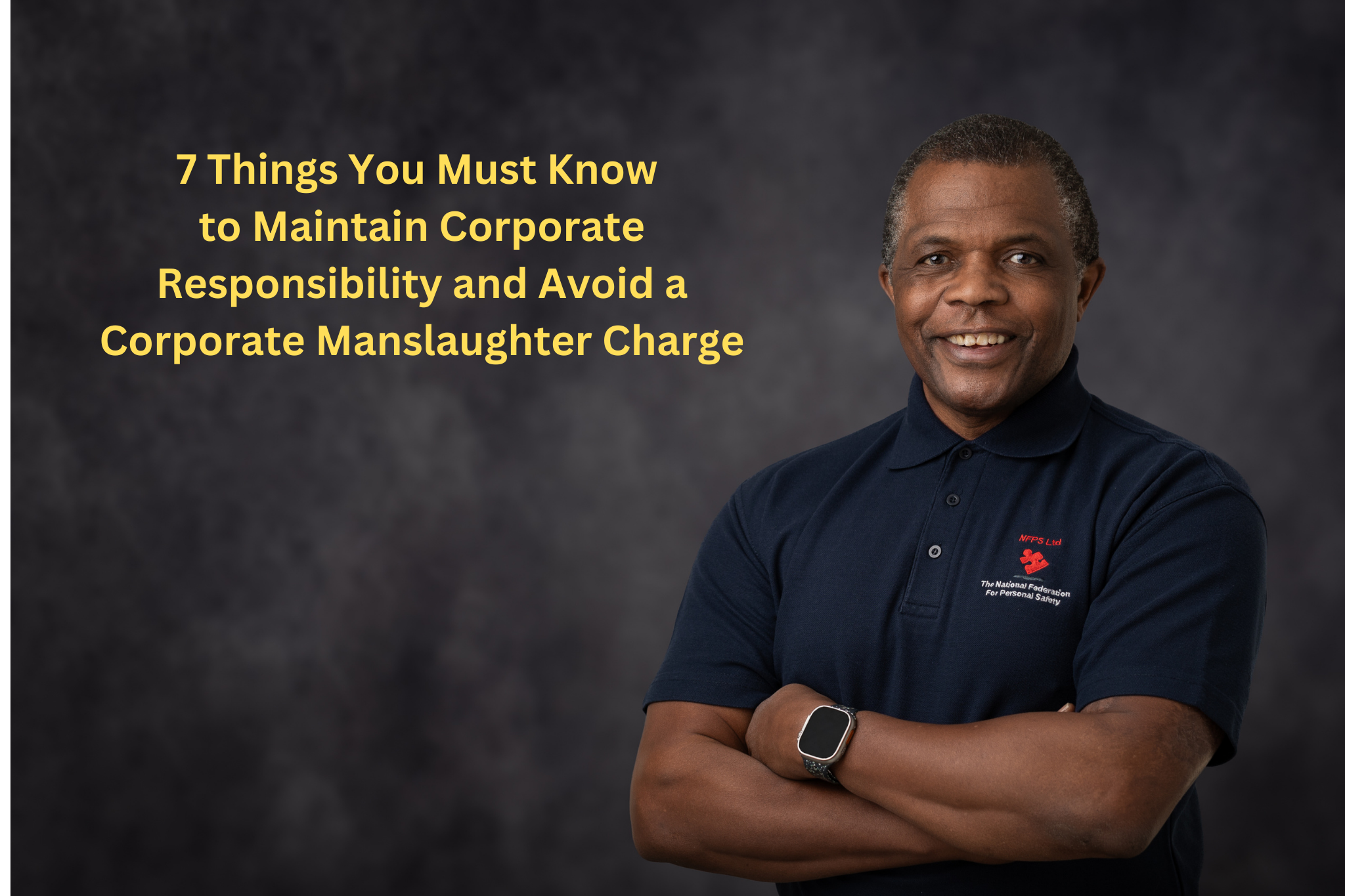
7 Things You Must Know to Maintain Corporate Responsibility and Avoid a Corporate Manslaughter Charge

Before reading this article, let’s take a moment to remember the lives lost due to workplace failures. Behind every statistic, a person, a family and a community have felt the impact. Why Corporate Responsibility Matters Now More Than Ever Every employer in the UK has a legal obligation to ensure that individuals not in their direct employment, such as the … Read more

Is the PM Right – The Future of Workplace Safety

Since its inception, NHS England has improved healthcare standards, patient care and workplace safety. It has introduced important initiatives to protect staff from violence and aggression, ensuring that frontline workers have access to the training, policies and support needed to handle challenging situations. For example, we’ve seen: The NHS Violence Prevention and Reduction Standard, which set clear expectations on how healthcare providers should … Read more

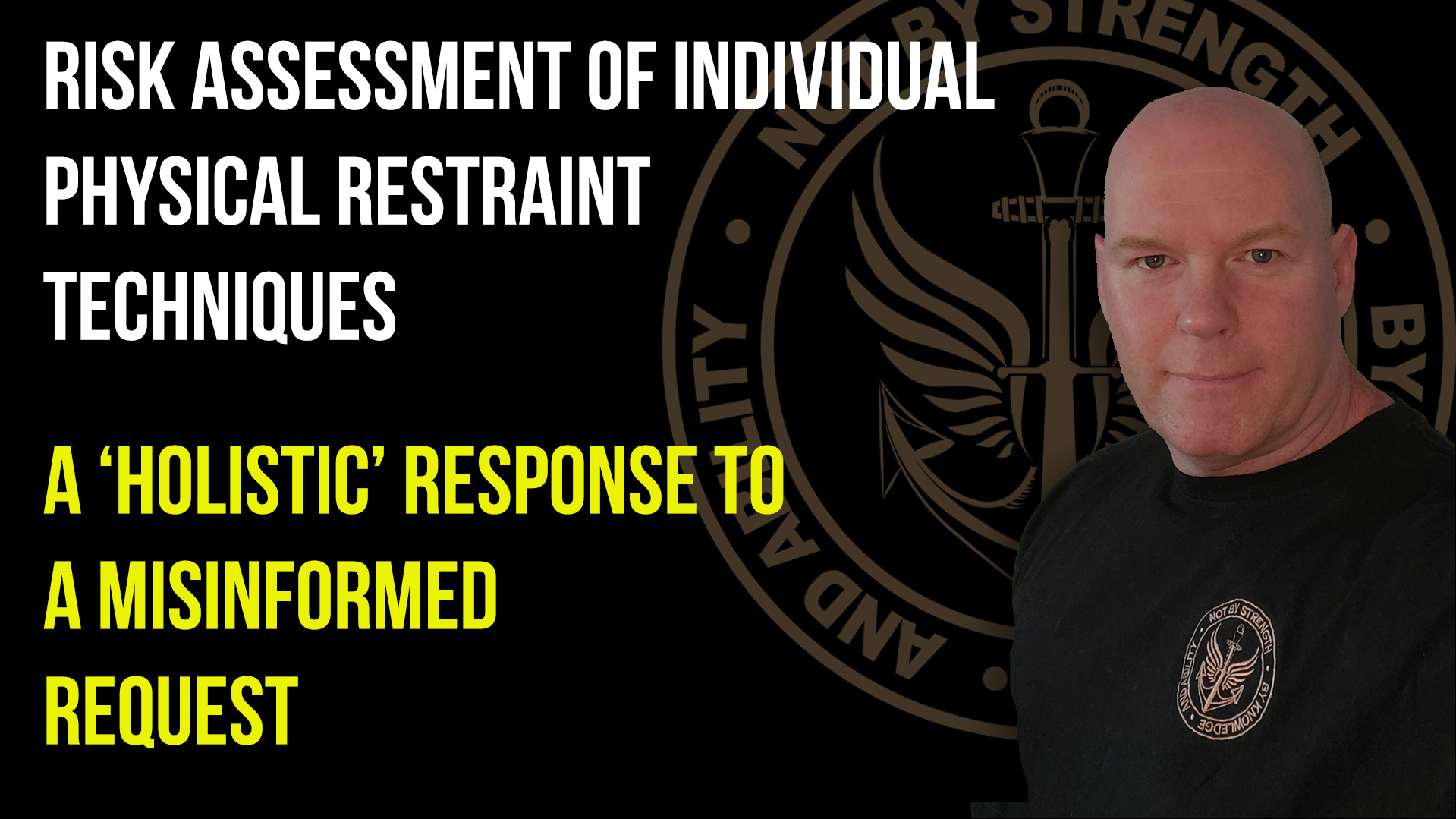
It is wrong to assume that a singular, static document could ever adequately risk assess physical restraint techniques. Here is why…

Risk Assessing Physical Restraint Techniques cannot be suitably and sufficiently achieved by means of a static document. This image invites the viewer to read the associated article which provides evidence to the above proclamation.

We at NFPS have recently received requests for ‘risk assessments’ of our advanced restraint techniques. Interestingly, it is something we have rarely been asked for historically, and for good reasons, as shall be revealed within this article. The requests have originated from those delivering training within Health and Social Care and is being largely driven by the Client of the NFPS … Read more

Attack ‘Not Outside the Workplace Norm’

Your eyes are not deceiving you – you read this correctly…see the link below! Question – I would appreciate it if you could let me know when being victimised is part of the workplace norm? An appeals court denied a bus driver’s workers’ compensation claim saying the PTSD she developed from an attack was “not outside” of a normal workday … Read more