Why Professional Instructors Choose NFPS Ltd

Because we understand what is at stake. NFPS programmes enable you to: Gain recognised BTEC vocational qualifications Deliver legally defensible training Access complete professional training resources Join a respected national instructor network Maintain competence and professional credibility Next month, March, NFPS Ltd is delivering its full instructor qualification programme at the prestigious Lilleshall National Sports & Conference Centre. These programmes … Read more

BTEC Train the Trainer Course UK: Become a Qualified Trainer with NFPS Ltd

If you are looking for a BTEC Train the Trainer course in the UK, choosing the right provider is one of the most important professional decisions you will make. A recognised BTEC trainer qualification does far more than issue a certificate. It establishes your competence, credibility, and ability to deliver training safely, professionally and in line with recognised vocational standards. … Read more

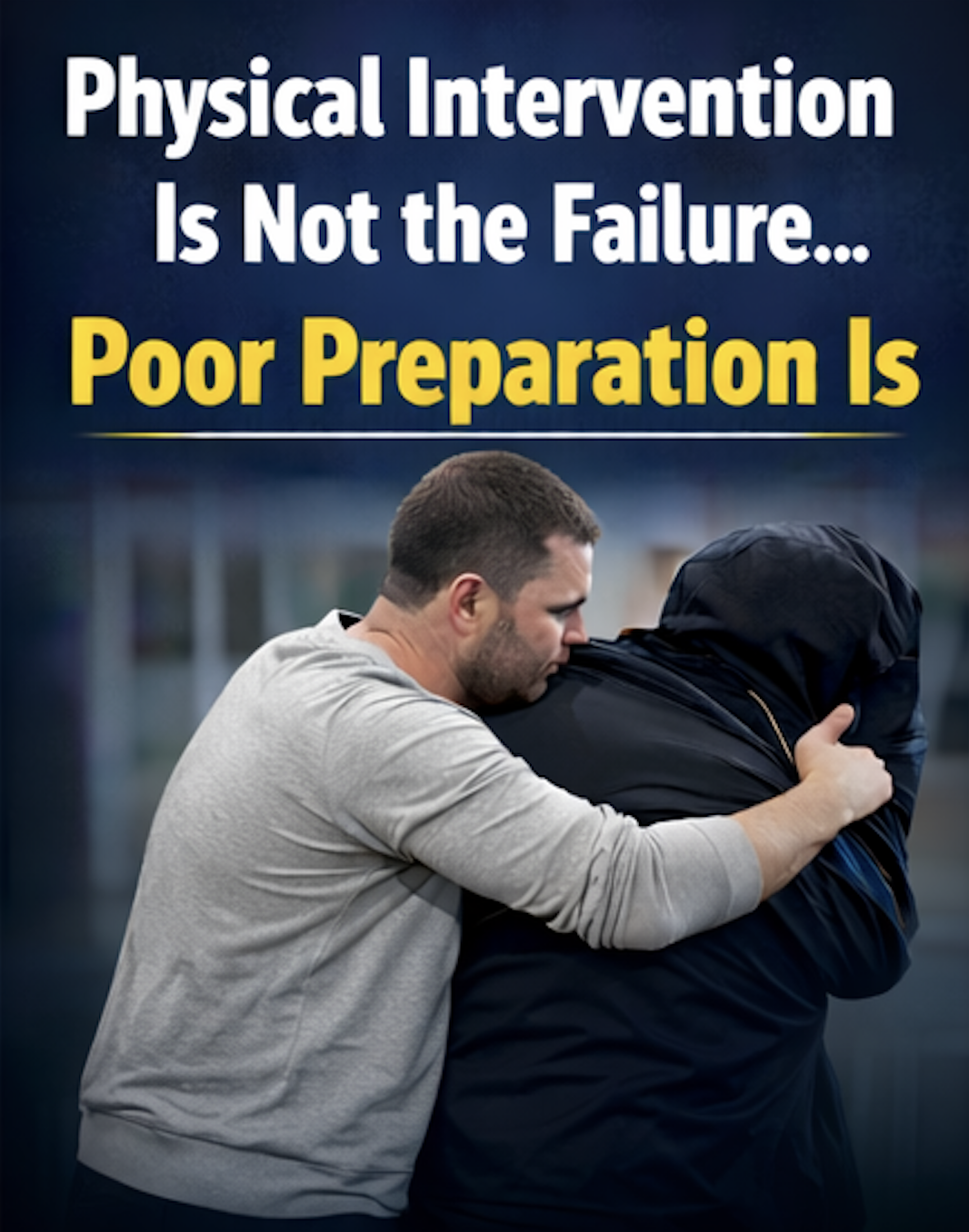
Physical Intervention Is Not the Failure — Poor Preparation Is

The problem is not physical intervention. The problem is what organisations fail to put in place before intervention becomes necessary. When an incident escalates to restraint, too many settings treat the intervention itself as the “failure point.” The reality is that failure often occurs much earlier, at the level of leadership responsibility, operational planning, training standards, behavioural risk management, and … Read more

Leading with Confidence – Why Instructor Training is About More Than Compliance

Are you leading or just meeting the minimum?

At NFPS Ltd, our mission has never been to simply hand out certificates. We train leaders. Our BTEC Level 3 Physical Restraint Instructor Award Course isn’t just about meeting legal requirements, it’s about setting a standard in the field of safety, behaviour management and physical intervention. According to the Health and Safety Executive, tens of thousands of incidents involving violence … Read more

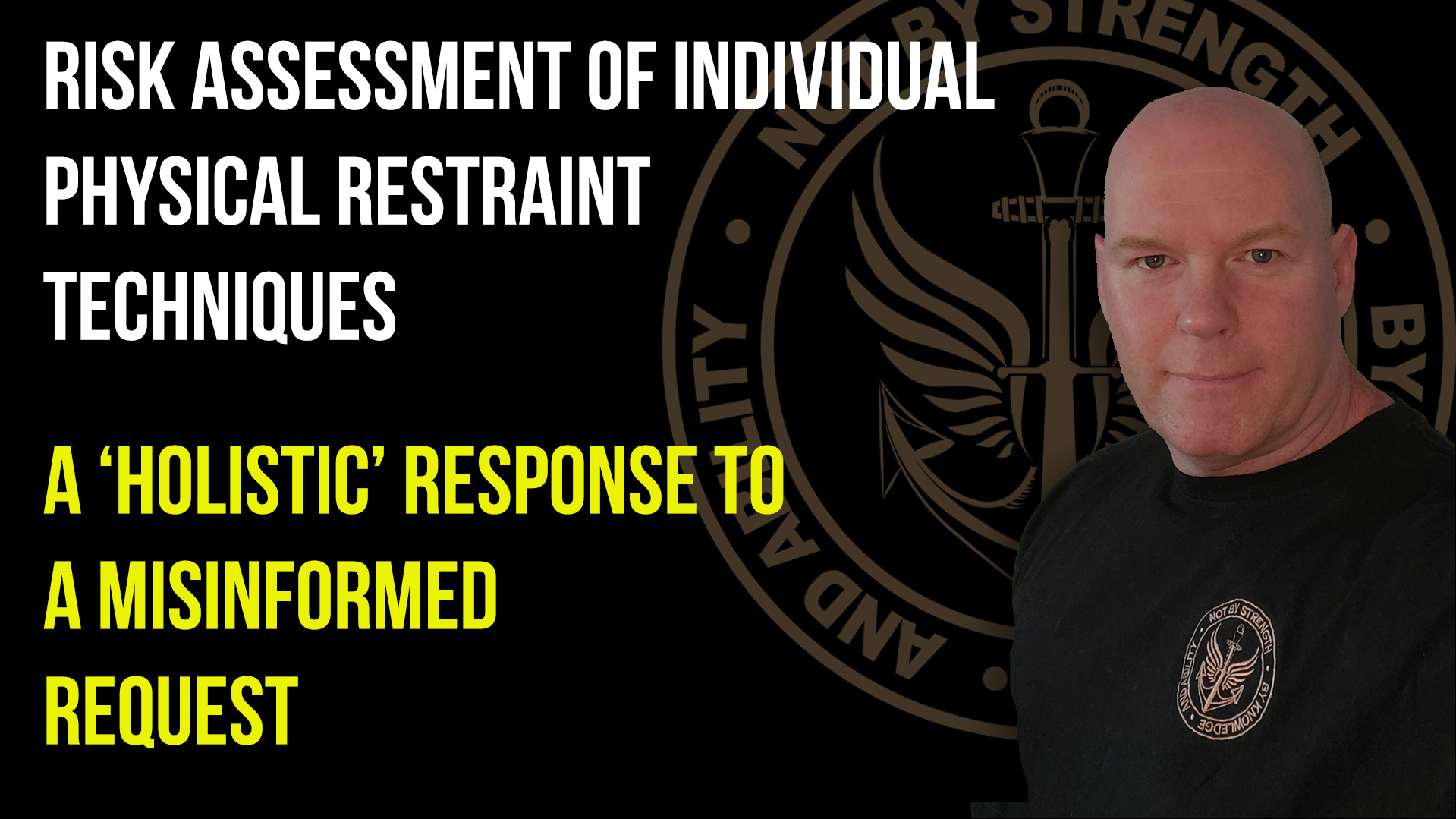
It is wrong to assume that a singular, static document could ever adequately risk assess physical restraint techniques. Here is why…

Risk Assessing Physical Restraint Techniques cannot be suitably and sufficiently achieved by means of a static document. This image invites the viewer to read the associated article which provides evidence to the above proclamation.

We at NFPS have recently received requests for ‘risk assessments’ of our advanced restraint techniques. Interestingly, it is something we have rarely been asked for historically, and for good reasons, as shall be revealed within this article. The requests have originated from those delivering training within Health and Social Care and is being largely driven by the Client of the NFPS … Read more

Attack ‘Not Outside the Workplace Norm’

Your eyes are not deceiving you – you read this correctly…see the link below! Question – I would appreciate it if you could let me know when being victimised is part of the workplace norm? An appeals court denied a bus driver’s workers’ compensation claim saying the PTSD she developed from an attack was “not outside” of a normal workday … Read more

Diagnosis or Phenomenon…You Decide?

My first recollection of being knowingly introduced to this subject was around 2001 watching a video regarding the subject of Excited Delirium. Back then the heading of cocaine induced psychosis and the disproportionate superhuman strength it gave to people was one of the non-clinical terms used. This I felt had the unfortunate bias of implying if people displayed the behaviours … Read more

The Paradox of Restraint Reduction: Why Fighting Restraint Might Fuel Its Persistence

In the realm of organisational management, particularly in sectors dealing with vulnerable populations such as healthcare facilities, schools, and correctional institutions, the discourse around physical restraint has undergone significant evolution. Restraint reduction programmes have emerged as a seemingly noble initiative aimed at minimising the use of physical force in managing challenging behaviours. However, beneath the surface of good intentions lies … Read more

The Essence of Compliance, Competence, and Common Law in Physical Intervention Techniques

Yet again I received a phone call stating that because someone conducting a review had not heard of a particular technique that was being used, the reviewing person was saying that what they (the person being reviewed) had done was wrong! My question to the reviewing person, who as it turned out had no known physical intervention or conflict management … Read more

Breaking News – A Person Being Restrained Now Can’t Die from Excited Delirium!

As reported in the New York Times on the 11th October 2023, “California has become the first US state to ban the use of “excited delirium” as a cause of death, rejecting a term that prominent medical associations have said is rooted in bias and is often used to justify the deaths of people in police custody”. The New York … Read more